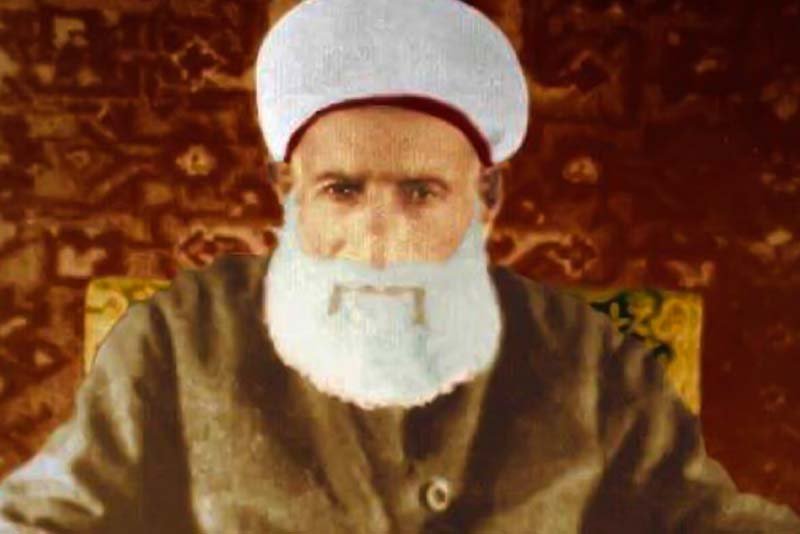
‘The Poet of the Prophet ﷺ’: The Life and Legacy of Imām al-Nabahānī
He is the erudite scholar known as the “Poet of the Prophet ﷺ,” Sheikh Yūsuf b. Ismāʿīl b. Yūsuf b. Ismāʿīl b. Muḥammad Nāṣir al-Dīn al-Nabahānī. A figure of immense spiritual and literary stature, his journey began in the village of Ijzim, near Haifa, Palestine, in the year 1265 AH (1849 CE).
A Pious Upbringing
Sheikh Yūsuf was raised in an environment saturated with devotion. He learned the Holy Qur’an from his father, the masterful memorizer and reciter, Sheikh Ismāʿīl al-Nabahānī. Reflecting on his father’s incredible dedication, al-Nabahānī remarked:
“My father’s daily and nightly litany used to consist of reading one third of the Qur’an, and then later he would complete the Qur’an three times every week, and all praise is for Allah!”
The Journey to Al-Azhar
After completing his memorization of the Qur’an under his father’s guidance, al-Nabahānī received permission to travel to Cairo, Egypt, to deepen his knowledge. In 1283 AH (1866 CE), he began his formal Islamic studies at the Great Mosque of al-Azhar, where he remained until 1289 AH (1872 CE). He spoke of this formative period with deep humility and reverence:
“During that time, I learned all that Allah had decreed for me to learn of the sciences of the Sacred Law and its ancillary disciplines from accomplished and realized sheikhs and firmly grounded scholars who, if they had set out individually to a region, they would be the leaders of the people to the Gardens of bliss and would suffice them from needing any others in all of the required sciences…”
The intellectual lineage of Sheikh Yūsuf al-Nabahānī is a tapestry of the greatest minds of the 19th-century Islamic world. His time at Al-Azhar was not merely an education; it was a deep immersion under the guidance of “teachers of teachers.”
The Peerless Leaders of Knowledge
Foremost among his mentors was the singular and erudite Sheikh Ibrāhīm al-Saqqā al-Shāfīʿī (d. 1298 AH). A polymath who lived nearly ninety years, he was the “refuge” for seekers of knowledge. Al-Nabahānī spent three intensive years with him, mastering the commentaries of Shaykh al-Islām Zakariyyā al-Anṣārī on al-Taḥrīr and al-Minhāj with the marginalia of al-Sharqāwī and al-Bujayrimī.
His other illustrious teachers included:
- Sayyid Muḥammad al-Damanhūrī al-Shāfīʿī (d. 1286 AH)
- Sheikh Ibrāhīm al-Zurrū al-Khalīlī al-Shāfīʿī (d. 1287 AH)
- Sheikh Aḥmad al-Ajhūrī al-Harīr al-Shāfīʿī (d. 1293 AH)
- Sheikh Ḥasan al-ʿAdawī al-Mālikī (d. 1298 AH)
- Sheikh al-Sayyid ʿAbd al-Hādī Najā al-Abyārī (d. 1305 AH)
- Sheikh Shams al-Dīn Muḥammad al-Anbābī al-Shāfīʿī (d. 1313 AH)
- Sheikh ʿAbd al-Raḥmān al-Shirbīnī al-Shāfīʿī (d. 1313 AH)
- Sheikh ʿAbd al-Qādir al-Rāfiʿī al-Ḥanafī al-Tarābulshī (d. 1323 AH)
- Sheikh Yūsuf al-Barqāwī al-Ḥanbalī
A Distinguished Judicial Career
In 1289 AH (1872 CE), Sheikh Yūsuf returned to his native Palestine. He began his career in Akka, teaching the sacred sciences and the Arabic language. His path then led him through some of the most important administrative and spiritual centers of the Ottoman Empire:
- Jenin: Served as an assistant judge until 1876.
- Constantinople (Istanbul): Worked as an editor and proofreader for the Arabic periodical al-Jawāʾib in the capital of the Ottoman Caliphate.
- Mosul, Iraq: Served as a judge for five months.
- Al-Lādhiqiya (Latakia): Served as Chief Judge in the criminal court for five years.
- Jerusalem: Appointed Chief Judge of the criminal court for nearly a year.
- Beirut: Reassigned as Chief Judge of the criminal court in 1305 AH, where he remained until his retirement in 1909 CE.
The Spiritual Teachers of Sheikh Yūsuf al-Nabahānī
Sheikh Yūsuf is considered a reviver of traditional spirituality. He received investiture in numerous spiritual orders from many prestigious Sheikhs:
- The Idrīsī order from Sheikh Ismāʿīl al-Nawwāb.
- The Shādhilī order from Muḥammad b. Masʿūd al-Fāsī and ʿAlī Nūr al-Dīn al-Yashruṭī.
- The Naqshabandī order from Imdādullāh al-Fārūqī and Ghiyāth al-Dīn al-Irbilī.
- The Qādirī order from Ḥasan b. Abī Ḥalāwa al-Ghazzī.
- The Rifāʿī order from ʿAbd al-Qādir b. Abī Rabāḥ al-Dajānī al-Yāfī.
- The Khalwatī order from Ḥasan Riḍwān al-Ṣaʿīdī.
- The Tijānī order from Muḥammad b. Sūda al-Fāsī.
While he held many orders for the sake of blessing (tabarrukan), he was primarily a member of the Shādhilī order for most of his life.
The Final Years and Literary Masterpieces
After his retirement in 1909, the Sheikh devoted his remaining years to writing and spent time in the Blessed City, Medina. He returned to Ijzim after the start of World War I in 1914, where he remained until he passed away in 1350 AH (1932 CE).
Allāh gifted Shaykh Yūsuf with a flowing pen, which he placed in service of honoring the exalted Prophetic station. He authored dozens of books—springs of Muḥammadan love radiating nūr and īmān.
A Selection of His Written Works:
- Afḍal al-ṣalawāt ‘alā Sayyid al-Sādāt (The Most Superior Prayers upon the Master of Masters)
- Aḥsan al-wasā’il fī naẓm asmā’ al-Nabī al-Kāmil (The Best of Means in Versifying the Names of the Perfect Prophet ﷺ)
- Al-Aḥādīth al-arba‘īn fī faḍl Sayyid al-Mursalīn (Forty Ḥadīth Reports on the Virtues of the Master of the Messengers ﷺ)
- Al-Aḥādīth al-arba‘īn fī faḍl al-jihād wa-al-mujāhidīn (Forty Ḥadīth Reports on the Virtue of Jihād and Those Engaged in It)
- Al-Aḥādīth al-arba‘īn fī wujūb ṭā‘at Amīr al-Mu’minīn (Forty Ḥadīth Reports on the Obligation of Rendering Obedience to the Commander of the Believers)
- Al-Aḥādīth al-arba‘īn min amthāl Afṣaḥ al-Mursalīn (Forty Ḥadīth Reports Containing Metaphors Uttered by the Most Eloquent of the Messengers ﷺ)
- Al-Anwār al-Muḥammadiyya (Abridgment of Imām al-Qasṭalānī’s al-Mawāhib al-Ladunniyya)
- Arba‘īn al-arba‘īn min aḥādīth Sayyid al-Mursalīn (Forty Times Forty Ḥadīth Reports from the Master of the Messengers ﷺ)
- Arba‘ūna ḥadīthan fī arba‘īn ṣīghatan fī al-ṣalāt ‘alā al-Nabī (Forty Ḥadīth Reports on Forty Wordings of Prayers upon the Prophet ﷺ)
- Arba‘ūna ḥadīthan fī faḍl Ahl al-Bayt (Virtues of the Prophetic Household)
- Arba‘ūna ḥadīthan fī faḍl Abī Bakr (Forty Ḥadīth Reports on the Virtue of Abū Bakr )
- Arba‘ūna ḥadīthan fī faḍl Abī Bakr wa ‘Umar (Forty Ḥadīth Reports on the Virtues of Abū Bakr and ‘Umar )
- Arba‘ūna ḥadīthan fī faḍl ‘Alī (Forty Ḥadīth Reports on the Virtue of ‘Alī )
- Arba‘ūna ḥadīthan fī faḍl arba‘īna Ṣaḥābiyān (Fort Hadiths on the Virtue of Forty Companions)
- Arba‘ūna ḥadīthan fī faḍl Lā ilāha illā Allāh (Forty Ḥadīth Reports on the Merit of the Phrase “There is no god but Allāh”)
- Arba‘ūna ḥadīthan fī faḍl ‘Umar (Forty Ḥadīth Reports on the Virtue of ‘Umar)
- Arba‘ūna ḥadīthan fī faḍl ‘Uthmān (Forty Ḥadīth Reports on the Virtue of ‘Uthmān)
- Al-Asmā’ fī mā li-Rasūlillāh ﷺ min al-asmā’ ((The Loftiest Reach Concerning the Names of the Messenger of Allāh ﷺ))
- Al-Bashā’ir al-imāniyya fī mubashshirāt al-manāmiyya (The Faith-Borne Glad Tidings in Positive Dream Visions)
- Al-Burhān al-musaddad fī ithbāt Nubuwwat Sayyidinā Muḥammad ﷺ (The Fortified Demonstrations of the Prophethood of our Master Muḥammad ﷺ)
- Dalīl al-tujjār ilā akhlāq al-akhyār (Guide of the Merchants to Noble Qualities)
- Al-Dalālāt al-wāḍiḥāt sharḥ Dalīl al-akhyār (The Clear Indications: Commentary upon Dalīl al-Akhyār)
- Tanbīh al-afkār ilā-ḥikmat iqbāl al-dunyā alā al-kuffār (Bringing Attention to the Minds about the Wisdom behind the Disbeliever’s Worldly Affluence)
- Tahdhīb al-nufūs fi-tartīb al-durūs (Abridgment of al-Nawawī’s Riyāḍ al-ṣāliḥīn)
- Jāmi‘ karāmāt al-awliyā’ (Compendium of the Miracles of the Saints)
- Jawāhir al-biḥār fī faḍl al-Nabī al-Mukhtār (Jewels of the Oceans regarding the Virtues of the Chosen Prophet ﷺ)
- Ḥujjat Allāh ‘alā al-‘ālamīn fī mu‘jizāt Sayyid al-Mursalīn (Allāh’s Proof over all Creation in the Inimitable Miracles of the Master of the Messengers ﷺ)
- Riyāḍ al-janna fī adhkār al-kitāb wa al-Sunna (Gardens of Paradise in the Invocations of the Qur’ān and Sunna)
- Sabīl al-najāt fī al-ḥubb fī Allāh wa al-bughḍ fī Allāh (The Path of Salvation through Loving and Hating for Allāh’s Pleasure)
- Saʿādat al-anām fī ittibāʿ dīn al-Islām wa tawḍīḥ al-farq baynahu wa bayn dīn al-naṣārā fī al-ʿaqāʾid wa al-aḥkām (The Felicity of Humanity Found in Following the Religion of Islam, and a Clarification of the Theological and Legal Differences between it and Christianity)
- Sa‘ādat al-dārayn fī al-ṣalāt ‘alā Sayyid al-Kawnayn (Felicity in the Two Abodes in Prayers upon the Master of the Two Realms ﷺ)
- Al-Sharaf al-mu’abbad li-Āl Muḥammad (Eternal Honor for the Family of Muḥammad ﷺ)
- Shawāhid al-Ḥaqq fī al-istighātha bi-Sayyid al-Khalq (The Corroborations of of Truth Regarding the Act of Seeking Aid from the Master of Creation ﷺ)
- Wasā’il al-Wuṣūl ilá Shamā’il al-Rasūl (Commentary on Imām al-Tirmidhī’s Shamā’il)
Commentary on the Abrahamic Prayer, Shaykh Yusuf b. Ismail al-Nabahani, (Translation: Shaykh Abdul Aziz Suraqah)