AL-Habib Umar bin Hafiz: A Legacy of Prophetic Wisdom and Global Reform
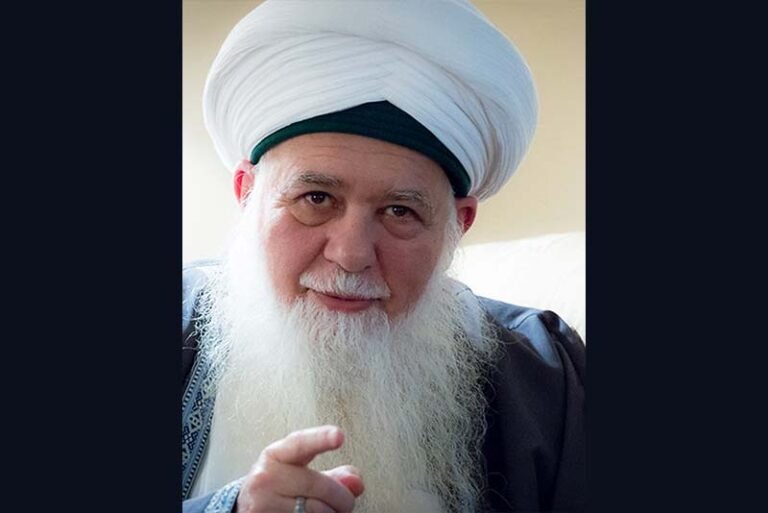
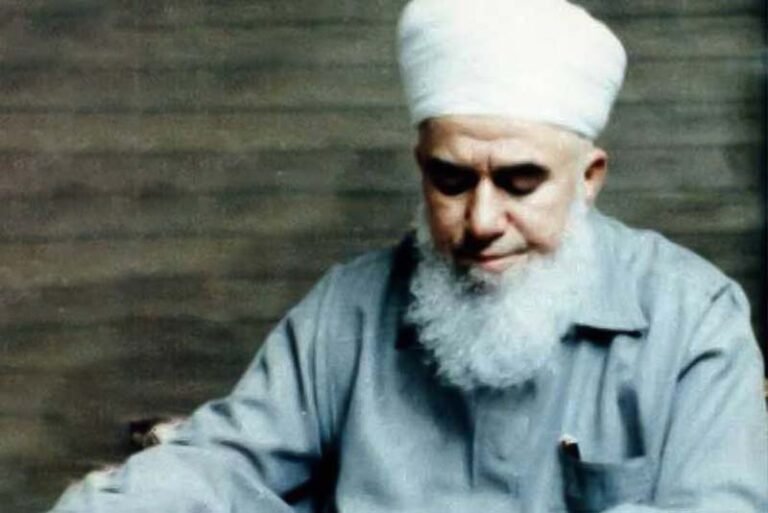
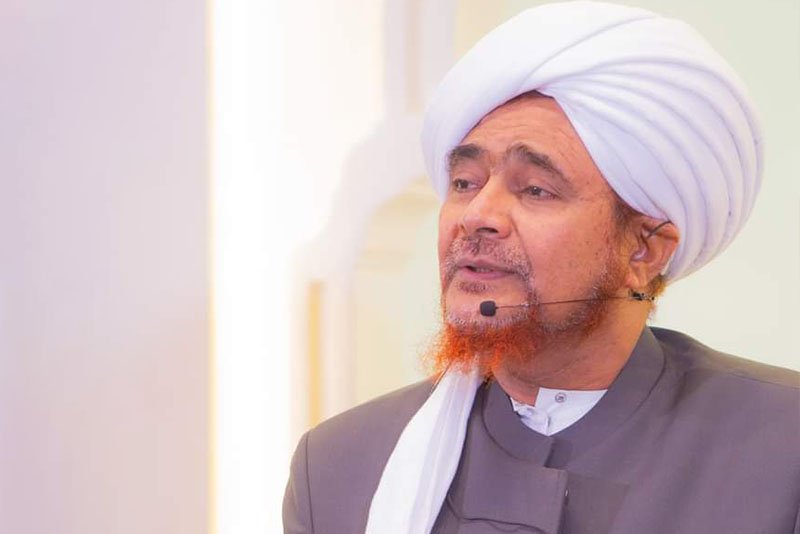
In the heart of the Hadramawt valley, in the ancient city of Tarim, lives a man whose influence stretches across continents and cultures. Shaykh Habib Umar bin Hafiz, a 39th-generation direct descendant of the Prophet Muhammad ﷺ, stands as one of the most formidable scholars and spiritual guides in the modern Islamic world. His leadership within the Ba Alawi Tariqah connects him to hundreds of millions of Muslims, offering a path of moderate, traditional, and spiritually grounded Islam.
The Roots of the Ba Alawi Legacy
The Aal Ba Alawi (the clan of Alawi) are not merely a family but a historical movement. They derive their name from “Banu Alawi” and have called the Hadramawt region of Yemen home since the 4th-century Hijri (930 CE), when a member of the Prophetic Household emigrated there.
For centuries, this lineage has been celebrated for producing exceptional scholars and saints who focused on the revitalization of Islamic teachings. Their approach is anchored in the works of Imam Al-Ghazali, specifically the Ihya’ Ulum Al-Din (The Revival of the Religious Sciences).
The Ba Alawi played a pivotal role in the Islamization of:
- The Malay Archipelago (Malaysia, Indonesia, Singapore, Thailand and Brunei) : Through the Wali Sanga (the Nine Saints), eight of whom were from the Ba Alawi lineage.
- India: Particularly in the regions of Kerala and Gujarat.
- East Africa: Led by figures such as Habib Umar bin Sumayt and Habib Ahmad Mashhur Al-Haddad.
- The Global Community: Habib Umar continues this legacy today with tours spanning the USA, Australia, South Africa, and Europe.
Birth, Lineage, and Early Life
Habib Umar was born in Tarim before Fajr on Monday, the 4th of Muharram 1383 AH (May 27, 1963).
A Noble Ancestry
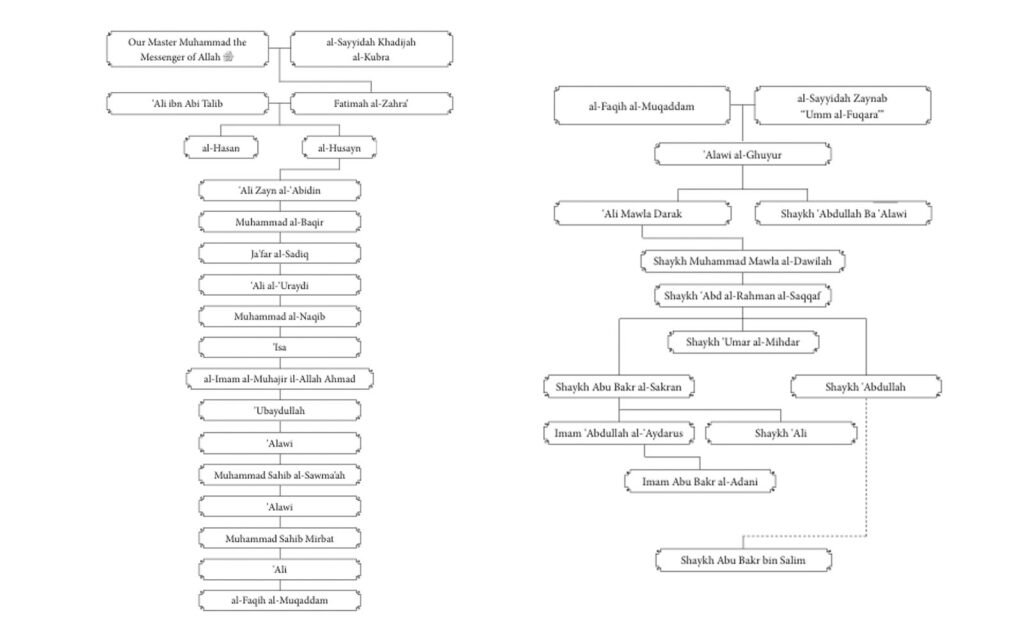
His lineage is a “Golden Chain” of scholars and knowers of Allah. He is the son of Muhammad, son of Salim, son of Hafiz, stretching back through Imam Ali Zayn al-Abidin to Imam al-Husayn and finally to Fatimah al-Zahra’ and the Prophet Muhammad ﷺ. Among his forefathers are giants of the faith such as Imam Ahmad bin Isa al-Muhajir (the first to settle in Hadramawt), al-Faqih al-Muqaddam Muhammad bin Ali, and Shaykh Abd al-Rahman al-Saqqaf.
Childhood and the Test of Disappearance
Habib Umar grew up in an environment of sacred knowledge. His father, Habib Muhammad, was a courageous caller to Allah who took his young son to gatherings of knowledge from a very early age.
However, in 1967, a socialist government rose to power in South Yemen, seeking to forcibly eradicate Islam. In 1973, when Habib Umar was only nine years old, his father went to register with the security forces before Friday prayers and was never seen again. This tragic abduction left the young Habib Umar to be raised by his mother, Hababah Zahra bint Hafiz al-Haddar, and his older brother, Habib Ali al-Mashhur.
The Path of Scholarship and Migration
Despite the political oppression, Habib Umar’s thirst for knowledge was unquenchable. He memorized the Qur’an and studied the Islamic sciences under the greatest masters of Tarim.
Migration to al-Bayda’
In 1981, as the socialist regime’s oppression peaked, Habib Umar left Tarim for the city of al-Bayda’ in North Yemen. There, he spent ten years under the wing of his father’s close friend, Habib Muhammad al-Haddar, and the scholar Habib Zayn bin Ibrahim bin Sumayt. Habib Muhammad al-Haddar held the young scholar in such high regard that he eventually married his daughter to him.
By the age of fifteen, Habib Umar was already teaching and calling others to the faith. During his decade in al-Bayda’, he traveled frequently to the Hijaz (Makkah and Madinah), taking knowledge and licenses (ijazah) from world-renowned scholars like Habib Abd al-Qadir al-Saqqaf, Habib Ahmad Mashhur al-Haddad, and Sayyid Muhammad bin ‘Alawi al-Maliki.
Dar Al-Mustafa
Following the unification of North and South Yemen in 1990, Habib Umar returned to Hadramawt. After brief stays in Salalah (Oman) and al-Shihr, he returned to Tarim and established Dar Al-Mustafa in 1414 (1994).
The institute is built upon three fundamental principles:
- Acquiring Knowledge (`Ilm): From qualified sources through an authentic chain of transmission.
- Soul Purification (Tazkiyah): Refining character and internal spirituality.
- Calling to Faith (Dawah): Engaging the world with the message of Islam.
The institute officially opened its doors in 1997, on the very anniversary of his father’s abduction—turning a day of sorrow into a day of global renewal. Today, thousands of students from across the globe graduate from Dar Al-Mustafa. In 2001, Dar Al-Zahra was established to provide women with the same high level of religious instruction.
Global Impact and Popular Presence
Shaykh Habib Umar is an extraordinarily active figure on the world stage. His influence is both physical and digital:
- Massive Gatherings: In 2023, his tour of Indonesia attracted over 700,000 attendees, while his tour of Malaysia with Sheikh Ali Gomaa saw over 500,000.
- Nahdlatul Ulama: He is a key reference point for the world’s largest Islamic organization, which has over 90 million members.
- Muwasala: Founded in 2007, this organization connects over 30,000 active Indonesian Sunni scholars to Habib Umar’s teachings.
- Notable Students: His students have become icons in their own right, including Habib Ali al-Jifri (Tabah Foundation), Habib Kadhim al-Saqqaf, and Habib Muhammad al-Saqqaf (founder of the Al-Erth Al-Nabawi satellite channel).
Publications and Humanitarian Work
Though best known for his oral teaching, Habib Umar is a prolific author. His works include:
- Mukhtar al-Hadith: Selection of Noble Prophetic Traditions: A curated collection of Prophetic sayings published in 2011 by the Ribat Institute.
- Selections from Shifa al-Saqim (al-Mukhtar min Shifa al-Saqim): A focused collection of hadith centered on spiritual and physical healing.
- The Light of Faith From the Speech of the Beloved of al-Rahman (Nur al-Iman min Kalam Habib al-Rahman): A compilation of prophetic traditions regarding the foundations of faith.
- Aid to Those Seeking the Creator’s Pleasure, by Clarifying the Noble Traits of Character (Is’af Talibi Rida al-Khallaq bi Bayan Makarim al-Akhlaq): A manual on ethical conduct and achieving Divine pleasure.
- Advice to Students (Tawjihat al-Tullab): Practical guidance and instructions for seekers of sacred knowledge.
- Our Traits (Khuluquna): An exploration of the moral characteristics inherent to the prophetic way.
- Forthpourings of Favor from the Mercy of the Giver of Favors (Fa’idat al-mann min Rahamat Wahhab al-Minan): A scholarly work on Divine blessings and spiritual mercy.
- Directing the Intelligent to the Contentment of the Beneficent (Tawjih al-Nabih li-Mardat Barih): A text focused on guiding the intellect toward spiritual satisfaction.
- The Glorious Treasure (al-Dhakira al-Musharrafa): A concise reference for essential religious knowledge and practice.
- The Summary of Prophetic Aid (Khuslasa al-Maddad al-Nabawi fil-Adhkar): A widely used book of daily litanies, prayers, and prophetic invocations.
- The Forthpouring of Spiritual Aid (Fayd al-Imdad): A detailed compilation of various sermons and spiritual lectures.
- The Preacher’s Refinement (Thaqafat al-Khatib): A guide on the intellectual and spiritual cultivation required for public oratory.
- A Collection of Poetry: A compilation of original poetic verses focused on spiritual longing and praise.
- The Shimmering Light Mentioning the Birth of the Interceding Prophet (al-Diya al-Lami’ fi Dhikr Mawlid al-Nabi al-Shafi’): A poetic and historical account of the birth and life of the Prophet Muhammad.
- The Pure Drink Mentioning the Life of the Fullest of Moons (al-Sharab al-Tuhur fi Dhikri Sirati Badri al-Budur): A biography focusing on the luminous character and life of the Prophet.
In addition to the written works above, a large library of media is available, including recorded lecture series, televised interviews, and digital seminars covering contemporary issues and classical jurisprudence.
Bridge Building and Charity
As a signatory of “A Common Word Between Us and You” he has been a leading voice in fostering Muslim-Christian understanding. He also established the Al-Ra’fah Foundation in 1998, which provides aid to orphans, widows, and the needy in Yemen, and he currently advocates for permaculture to revitalize agriculture in the region.
The Character of the Guide
Habib Umar is the recipient of the King Faisal International Prize (2016) and the Sheikh Zayed Award for Human Fraternity (2021). However, for those who travel from the corners of the earth to sit at his feet, his greatest achievement is his character. He is widely regarded as a man who precisely emulates the mercy, humility, and wisdom of his grandfather, the Prophet Muhammad ﷺ.
| Profile Summary | |
| Full Name | Habib al-Allamah Umar bin Muhammad bin Salim bin Hafiz |
| Birth Date | 27 May 1963 (Age: 63) |
| School of Thought | Traditional Sunni, Shafi’i, Ash’ari, Ba ‘Alawi Sufi Order |
| Primary Base | Dar Al-Mustafa, Tarim, Yemen |