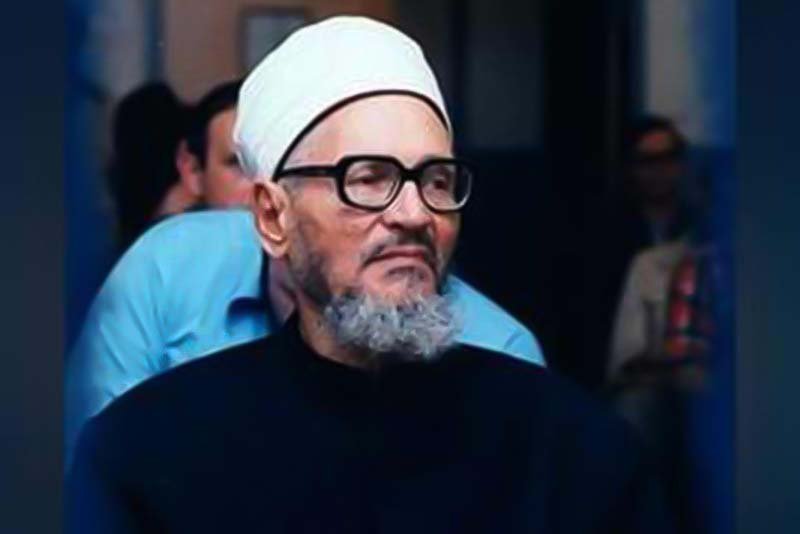
‘The Al-Ghazālī of the 20th Century’
In the modern history of Islamic scholarship, few figures have bridged the gap between traditional spirituality and contemporary academic rigor as seamlessly as Shaykh Dr. Abdul Halim Mahmud. A man of immense intellectual breadth, he mastered the Islamic sciences while obtaining licenses in psychology and deeply exploring Western philosophy, sociology, and the history of religions.
On the 2nd of Jumada al-Awwal, 1328 AH (May 12, 1910), the life of this great sage began in the village of Abu Ahmed, situated on the fringes of Belbeis in Egypt’s Sharqia Governorate. This settlement was established and cultivated by the Shaykh’s grandfather, from whom the village originally took its name. In the modern day, this historic birthplace has been renamed and is widely recognized as “As-Salam.”
Despite his vast exposure to diverse schools of thought, the true transformation of his life and intellect came through the teachings of the early Sufi master, Imām al-Muḥāsibī. His PhD dissertation in France focused on these very teachings, signaling a lifelong commitment to the inward science of the soul.
Confronting the Challenges of Modernity
Shaykh Abdul Halim Mahmud lived through a turbulent era marked by colonialism, Salafism, modernism, and communism. He did not retreat from these challenges; instead, he confronted them effectively through the pen, writing more than 100 books on a wide range of issues, especially in Taṣawwuf. His notable works include:
- Philosophical Thought in Islam
- Intellectual Invasion and Anti-Islamic Movements
- The Sunnah: Its Status and History
- Sufism: Between Yesterday and Today
- Al-Fikr al-Falsafī fī al-Islām
- Abū Ḥāmid al-Ghazālī: Ḥayātuhu wa Āthāruhu
A Global Ambassador of Knowledge
His mission took him across the globe. Whether serving as a visiting professor or participating in academic conferences, he traveled to: Iraq, Tunisia, Libya, Sudan, the Philippines, Malaysia, Pakistan, India, Indonesia, England, and Yugoslavia.
The Spirit of the Shādhiliyya
Initiated into the Shādhiliyya Sufi ṭarīqah by Shaykh ʿAbd al-Fattāḥ al-Qāḍī, the Shaykh embodied the refined character and spiritual discipline of the path. Because of his ability to synthesize philosophy and Tasawwuf with the sacred law, he was honored with the title “al-Ghazālī of the 20th century.”
He reached the pinnacle of institutional authority when he was appointed the ‘Shaykh al-Azhar,’ the highest religious post in Egypt. It was in this state of service that he departed from this temporary abode on 16 Dhū al-Qaʿdah, 1398 AH.
May Allah have mercy on him and elevate his rank in Jannah, allowing his hundreds of works to remain a source of light for seekers of truth.