Compassion for All of Creation
In the modern world, we often measure “success” by the certificates on our walls or the data stored in our heads. However, the great masters of the past—the giants of Islamic scholarship and spirituality—taught us that true knowledge is not measured by what we memorize, but by how it transforms our hearts.
Specifically, they showed us that the path to the Creator is paved with kindness toward His creation. Whether it was a flea-ridden dog or a sleeping cat, these scholars treated every living soul with a level of dignity that challenges us today.
The Cat-Magnet of Al-Azhar: Imam Ahmad al-Dardir
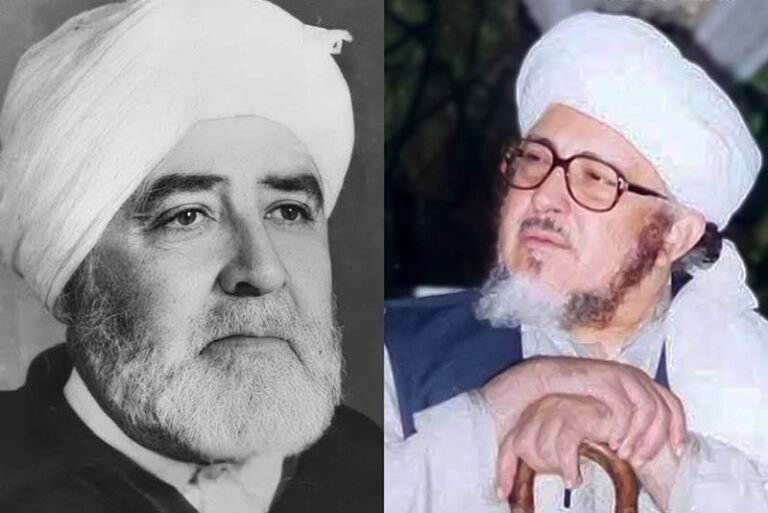
Imam Ahmad al-Dardir (d. 1786) was a titan of legal and spiritual knowledge. Yet, one of his most profound lessons didn’t come from a textbook, but from a stray cat.
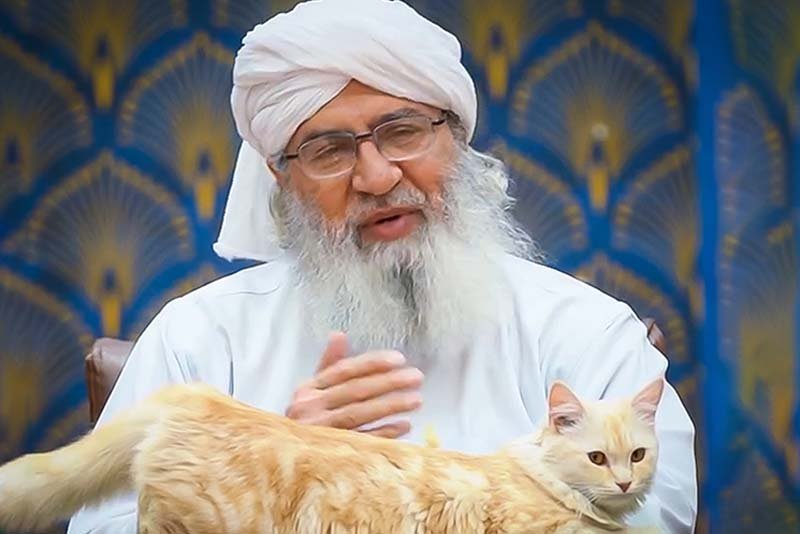
While delivering a lecture (dars) to his students, a cat wandered in. A student, distracted and annoyed, harshly shooed the animal away. The Imam was visibly upset by this lack of mercy. To teach a silent lesson, he picked up the cat and shared his own food with it.
The cat returned the next day, and the Imam fed it again. Word seemingly spread in the cat kingdom; one cat invited another, and soon, the numbers grew. Historians note that whenever Imam al-Dardir arrived at the Al-Azhar Mosque, he was greeted by a “procession” of nearly 200 cats! He proved that knowledge should reform both the inner and outer self. As Imam al-Shafi‘i famously said:
“Knowledge is not what you memorize—it is what benefits you and reforms you.”
The Forty-Day Retreat for a Dog: Imam Ahmad al-Rifa’i
Imam Ahmad Kabir al-Rifa’i took compassion to an even more radical level. On one occasion, he encountered a dog suffering from fleas and illness, which had been cast out by the locals. Rather than turning away, the Imam took the dog into the jungle and built a tent over it.
He spent forty days in isolation, personally feeding, watering, and treating the dog until it regained its health. He didn’t see this as a distraction from his worship; he saw it as the essence of his worship.
One Friday, as he prepared for the congregational prayer, he found a cat fast asleep on the sleeve of his robe. Instead of waking the creature, he asked for a pair of scissors and cut off the sleeve so the cat could continue its rest undisturbed.
When his wife expressed concern over the ruined garment, he simply replied:
“Do not worry; nothing but goodness happened, and I did not suffer because of this.”
A Heart for the Broken
Beyond animals, Imam al-Rifa’i was known for his extreme humility toward the most marginalized humans. He would visit the sick, the blind, and those suffering from leprosy—people often shunned by society. He would wash their clothes, clean their homes, and eat with them, always asking them to pray for him.
His philosophy was simple yet profound:
“Compassion for the creatures of Allah is one of the qualities that bring people closer to Allah.”
- Tabqat-e-Kubra-lil-Sha’rani, juzz 1, p. 200.
- Sayidna Ahmad Kabir Rifai R.A., Dargah Awliya.
- Shan e Rifaa’i, Maktabatul Madina.
- Shaykh Dr. Ahmad Saad al-Azhari, YouTube Lecture .